
San Jose Hypoxic Brain Injury Lawyer
Even a Short Drop in Oxygen Can Injure the Brain.
A hypoxic brain injury happens when the brain gets less oxygen than it needs. If an accident caused it, the person responsible can be held accountable, and our San Jose attorneys can help you pursue compensation.
$75+ million
recovered for injured clients
800+ five-star reviews
on Google and Yelp
No fee
unless we win
Available 24/7
Hablamos español · 한국어 상담 가능
Not Enough Oxygen, Not Enough Warning
The brain depends on a steady flow of oxygen carried by the bloodstream. In a hypoxic brain injury, that flow is partly restricted rather than cut off, and even a short period of reduced oxygen can cause brain damage and the death of brain cells.
In an accident, that can happen in more than one way. After a severe injury with heavy blood loss, the remaining blood may not carry enough oxygen to the brain. Suffocation, drowning, or exposure to dangerous chemicals can also reduce the oxygen that reaches it.
Some effects appear right away. Others, like mood changes, depression, and forgetfulness, can take time to develop, long after the accident seems to be over.
You may have a hypoxic brain injury claim if:
You suffered a serious injury or other accident someone else caused, and your brain was deprived of oxygen
A doctor has diagnosed a hypoxic brain injury, or you've developed symptoms since
The accident happened within the last two years
You don’t have to go through this alone. The consultation is free, and you pay nothing unless we win.
Protecting Your Health and Your Hypoxic Injury Claim
Get treated right away, and keep going back.
Treatment documents both the injury and your care. Immediate and long-term medical care may both be needed to recover.
Tell your doctors about blood loss and breathing problems at the scene.
How your brain lost oxygen matters medically, and it links the brain injury to the accident.
Report early symptoms.
Dizziness, nausea, headache, blurred vision, difficulty speaking, and problems with motor function can start shortly after an accident.
Watch for the slower changes.
Mood changes, depression, and forgetfulness can take time to develop. Ask family to tell you, and your doctors, what they notice.
Keep a record of how your functioning changes.
If your abilities decline over time, the accommodations and treatment you need in the future belong in your claim.
Get legal help early.
We gather the documentation and evidence you need and keep you inside the two-year deadline.
What a Hypoxic Brain Injury Claim Should Cover
The effects of a hypoxic injury can be short-term or long-term, and your claim should reflect both.
Immediate and long-term medical care
Emergency treatment and the ongoing care needed to recover.
Future accommodations and treatment
If your functioning decreases over time, the support and treatment you’ll need in the years ahead.
Lost wages
Income lost while you recover, and if lasting effects limit the work you can do.
Pain and suffering
Including the emotional effects, such as mood changes and depression, that can develop after the injury.
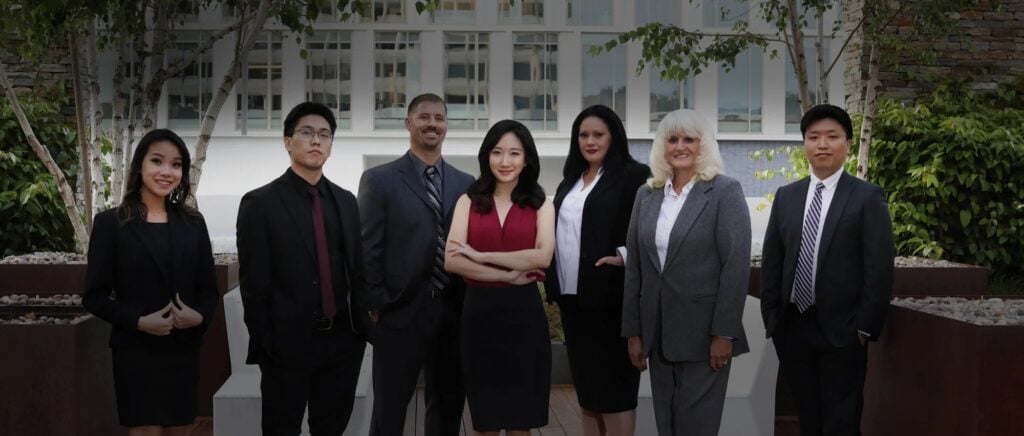
How We Help After a Hypoxic Brain Injury
A hypoxic injury claim rests on the same foundation as any injury claim: someone acted below their duty of care, and that negligence caused your injury and your losses. Whether your case resolves through an insurance settlement or a lawsuit, building those elements comes first.
We start with the medical record. Your treatment documents both the injury and the care it requires, and we help you get the documentation that ties your hypoxic injury to the accident, including the serious injury or event that deprived your brain of oxygen.
Then we gather the other evidence: how the accident happened and who caused it. We account for symptoms that develop later and for the treatment you may need into the future, and we bring our best experts to bear on the case before we negotiate.
California Law for Hypoxic Brain Injury Claims
Negligence is the basis of the claim
A person or entity that acts below their duty of care, and causes an injury, can be held responsible for the resulting damages: medical costs, lost wages, and pain and suffering.
Settlement or lawsuit
You can bring a lawsuit, but often an insurance claim and settlement is available. Either way, the evidence has to be in place.
Two years keeps your options open
California Code of Civil Procedure § 335.1 sets a two-year statute of limitations. Staying within it, even while an insurer is handling your claim, keeps a lawsuit available as a backstop. Claims involving a government entity can be due within six months.
Partly at fault? You can still recover
Under California’s pure comparative negligence rule, your compensation is reduced by your share of fault, never eliminated.
What Our Clients Say
I honestly recommend contacting the firm and working with Jimin. She was direct, very efficient, and professional. My case moved fast and to our favor. Jimin and her team were…
Ngan T.
Jimin Oh is not only an excellent and professional lawyer but she is also very kind, understanding and easy to talk to. Jimin was very helpful and patient in answering…
Katie J.
This was my first time to have a car accident, so I did not know what I had to do. My friends suggested I contact Jimin since they all had…
Kwon Soonhyung
San Jose Hypoxic Brain Injury FAQs
What is a hypoxic brain injury?
It’s an injury caused by a partial restriction of oxygen to the brain. Lower levels of oxygen reaching the brain can cause brain damage and the death of brain cells, even over a short period.
How is a hypoxic injury different from an anoxic injury?
A hypoxic injury involves reduced oxygen to the brain. An anoxic injury involves a complete cutoff of oxygen.
How can an accident cause a hypoxic brain injury?
After a severe injury with large blood loss, the remaining blood may not be plentiful enough to carry oxygen to the brain at normal levels. Suffocation, drowning, and dangerous chemicals that stop the blood from picking up oxygen can also cause one.
What symptoms should I watch for?
Early symptoms can include dizziness, nausea, headache, blurred vision, difficulty speaking, and problems with motor function. Mood changes, depression, and forgetfulness can take longer to develop.
My symptoms got worse months later. Can I still make a claim?
Possibly. Some effects of a hypoxic injury take time to develop, and your functioning can decline over time. Keep your doctors informed, and talk to us while you’re still within the two-year deadline.
Do I have to sue, or can this be settled with the insurer?
Often an insurance claim and settlement is available. Keeping within the two-year statute of limitations preserves the option to sue, which keeps the insurer negotiating.
How long do I have to file?
Generally two years under California Code of Civil Procedure § 335.1, and as little as six months if a government entity is involved.
What does hiring you cost?
Nothing upfront. We work on a contingent basis; you pay a fee only if we recover for you.
Get Your Free, Confidential Case Review, 24/7
A brain injury after an accident brings fear and anxiety, and you don’t have to face it alone. We move quickly to protect your claim. Call now or send the form; we respond fast, 24/7, in English, Spanish, or Korean. Your consultation is free and confidential. No fee unless we win.
Call (408) 256-2871Free Case Review
Solution Now Law Firm
1253 Park Ave
San Jose, CA 95126
Hablamos español · 한국어 상담 가능