Sunnyvale Bicycle Helmet Laws
Helmets Save Lives. Riding Without One Doesn't Excuse a Careless Driver.
California requires helmets for young riders, not adults, and the rule can still come up after a crash. Our Sunnyvale bicycle accident attorneys explain what the law requires, what it doesn’t, and how to keep a helmet argument from shrinking your claim.
$75+ million
recovered for injured clients
800+ five-star reviews
on Google and Yelp
No fee
unless we win
Available 24/7
Hablamos español · 한국어 상담 가능
Riders Have No Airbags. A Helmet Is the Protection They Get.
Drivers have seatbelts, airbags, and a car around them. Cyclists have what they wear. That’s why head and brain injuries are among the most common injuries in a bike crash, and why a helmet matters so much. Even with a helmet on, a rider can suffer serious, and sometimes fatal, trauma.
Many people still ride without one. For adults in California, that’s legal. After a crash, though, the driver who caused it may try to use the missing helmet against you. Three questions decide how much that argument is worth:
Were you legally required to wear a helmet?
Did the missing helmet actually make any injury worse?
What did the driver do to cause the crash?
If you or your child was hurt by a negligent driver, you don’t need to panic about the helmet question. Talk to us first. The consultation is free, and you pay nothing unless we win.
After a Crash: Handling the Helmet Question
Have your head checked, helmet or not.
A helmet doesn’t guarantee your brain is uninjured. Ask to be evaluated for a concussion or brain injury the same day.
Set the helmet aside, untouched.
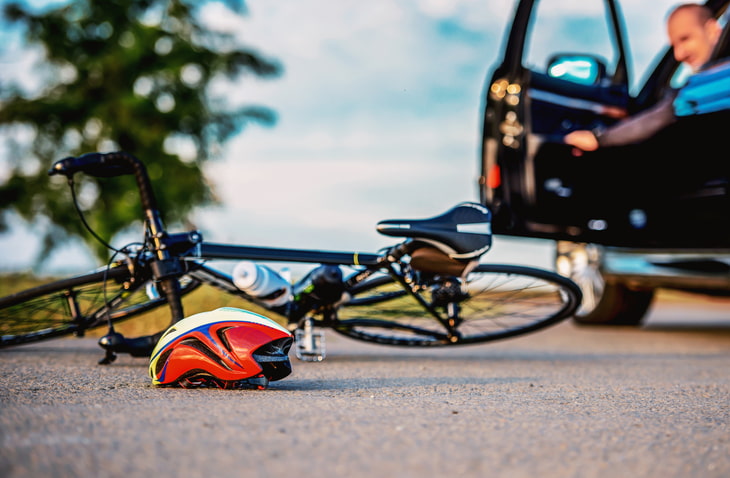
A cracked shell or crushed foam is evidence of the force you took. Don’t wear it again, repair it, or throw it out.
For a child rider, note the helmet's size and fit.
Whether it was the right size, and how it was worn, can come up in a claim for a young rider.
Tell the truth about the helmet from the start.
The police report, your doctor’s notes, and your claim should all tell the same story.
Leave the helmet discussion to us.
The driver’s insurer may ask about it early on a recorded call; its goal is a reason to pay less.
Remember everything else that was hurt.
Broken bones, road rash, and back injuries have nothing to do with a helmet. Get each one treated and documented.
How Helmet Use Can Shape a Claim
If you wore one
A damaged helmet helps prove the force of the crash, and your care in wearing it undercuts any claim that you were riding carelessly.
If you're an adult who didn't
There was no legal requirement, and the driver is still responsible for the crash they caused. The insurer may still argue about a head injury, and we answer it with the medical evidence.
If a minor wasn't wearing one
The driver may argue this was negligence on the rider’s part. That argument can reduce a head injury claim, but it doesn’t bar recovery, and it has no bearing on other injuries.
What the claim can cover
Medical care for head and other injuries, lost income, pain and suffering, and the cost of replacing a damaged helmet, bike, and gear.

Why the Helmet Rarely Decides the Case
A driver who runs a stop sign, turns across a bike lane, or looks at a phone causes the crash whether or not the rider wore a helmet. We keep the focus there: on the driver’s conduct, the police report, witness accounts, and the physical evidence of how the collision happened.
When the insurer raises the helmet, we look at the specifics. An adult had no legal duty to wear one. A helmet protects the head, not the wrists, ribs, or spine. And when a rider was wearing one, the damaged helmet itself shows how hard the impact was, which supports the claim.
For families, we look at the whole picture when a child is hurt: the driver’s actions first, and the helmet and its fit only where they genuinely matter. Children deserve full protection under the law, and so does their claim.
California Helmet Law for Sunnyvale Riders
Under 18: a helmet is required
California law requires bicycle riders, and passengers, under 18 to wear a helmet. The rule is statewide, so it applies in Sunnyvale like everywhere else in California.
Adults: a helmet is optional
Riders 18 and older aren’t required to wear one, though it’s strongly encouraged.
The fine is $25
Riding without a helmet when one is required can bring a $25 fine.
Fault is compared, not all-or-nothing
California applies pure comparative fault: a rider’s own negligence, helmet-related or otherwise, may reduce compensation by that share, but it doesn’t bar recovery.
What Our Clients Say
Her services were outstanding. About a half year ago when I got into an accident, I had consultations with several personal injury law firms. I went with Jimin because I…
Hyunah Jang
Jimin from the start was very professional and accommodating. She came out to east bay to meet with me. We met once, she ask for the background of the incident…
Ethan Vu
Attorney Jimin Oh was really helpful with my case. She really took care of my case and I could really rely on her. She would always check up on me…
Carina Amigable
Sunnyvale Bicycle Helmet FAQs
Who has to wear a bike helmet in Sunnyvale?
Anyone under 18 riding a bicycle, including young passengers. The requirement is California law, so the same rule applies across the state. Adults aren’t required to wear one.
What happens if a minor rides without a helmet?
The fine for riding without a helmet when one is required is $25. It’s a small penalty compared to the risk of a head injury.
I'm an adult and wasn't wearing a helmet. Can I still recover?
Yes. Adults have no legal duty to wear a helmet, and the driver who caused the crash is still responsible for it. The insurer may argue about a head injury specifically; we answer that with the medical evidence.
My teenager wasn't wearing a helmet when a car hit them. Do we have a case?
Very likely. The driver may argue the missing helmet was negligence, but under California’s pure comparative fault rule that can at most reduce part of the claim. It never excuses the driver.
I was wearing a helmet and still suffered a brain injury. Is that unusual?
No. Helmets reduce the risk, but the force of a crash can still cause a concussion or traumatic brain injury. Your helmet use strengthens your claim.
Does not wearing a helmet affect my claim for a broken arm?
It shouldn’t. A helmet protects your head; it has nothing to do with fractures, road rash, or back injuries.
How should a helmet fit?
Snug all around, with no gaps between the foam and the head, so it doesn’t move. The side straps form a “V” under each ear, the chinstrap sits centered under the chin, and the helmet shouldn’t block the rider’s vision. For children, buy the right size for their head now.
How long do I have to file a claim?
Generally two years from the date of injury to file a lawsuit, and six months for a claim against a government entity.
Get Your Free, Confidential Case Review, 24/7
Helmet or no helmet, the driver who hit you should answer for the crash. Let us handle the argument. Call now or send the form; we respond fast, 24/7, in English, Spanish, or Korean. Your consultation is free and confidential. No fee unless we win.
Call (408) 256-2871Free Case Review
Solution Now Law Firm
1253 Park Ave
San Jose, CA 95126
Hablamos español · 한국어 상담 가능