San Jose Distracted Driving Accident Lawyer
They Looked Away. You Paid the Price.
A driver who wasn’t watching the road broke the most basic duty behind the wheel. Our San Jose attorneys prove the distraction and hold them to it, from the insurance claim through trial if needed.
$75+ million
recovered for injured clients
800+ five-star reviews
on Google and Yelp
No fee
unless we win
Available 24/7
Hablamos español · 한국어 상담 가능
Distraction Isn't an Accident. It's a Choice to Stop Paying Attention.
Most people picture a phone when they hear “distracted driving,” and phones are a big part of it. But drivers also crash while eating, turning to talk to passengers, adjusting the radio or navigation, or simply letting their mind wander at the wheel. Every one of those choices takes eyes, hands, or attention off the road.
The problem for victims is proof. Unlike a drunk driver, a distracted driver leaves no test result behind, and almost none of them admit it. Insurers know that, and they’ll call the crash “just an accident” and offer accordingly. You may have a claim if:
The other driver drifted, ran a light or sign, or never braked
You saw, or a witness saw, the driver looking down, eating, or turned away
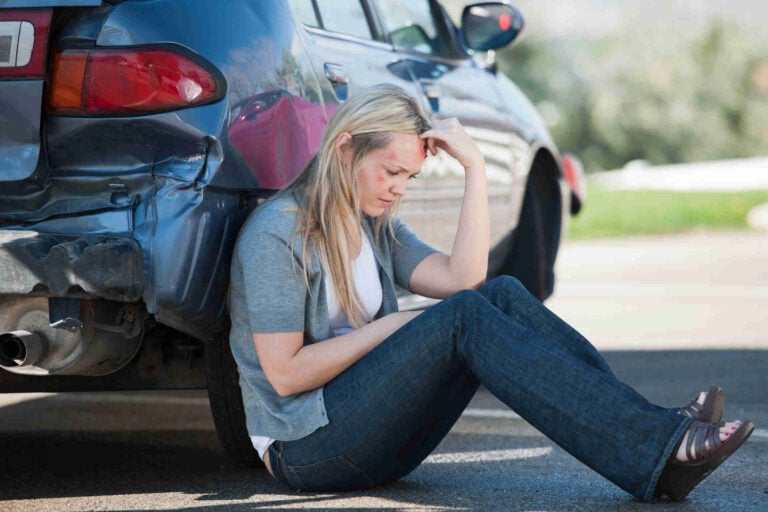
You were injured, even if the pain showed up days later
We find the evidence that shows what the other driver was really doing. The consultation is free, and you pay nothing unless we win.
What to Do After a Crash With a Distracted Driver
Call 911 and ask for a police report.
Tell the officer exactly what you saw the other driver doing. Their notes become part of the record.
Write down what you noticed, right away.
A phone in hand, food, a head turned to the back seat, no brake lights before impact. Details fade within hours.
Find the witnesses.
Other drivers and passengers often had a better view into the other car than you did. Get names and numbers.
Photograph the scene and the vehicles.
Where the cars came to rest, the absence of skid marks, and damage angles can show a driver never reacted.
See a doctor the same day.
Your health comes first, and prompt treatment ties your injuries to the crash.
Don't let the insurer call it "no one's fault."
Decline recorded statements and early offers until a lawyer has reviewed what happened.
What You Can Recover After a Distracted Driving Crash
A distracted driver is responsible for the full harm their inattention caused. Depending on your situation, that includes:
Medical costs
Emergency care, follow-up treatment, therapy, and the care you’ll need in the future.
Lost income
Wages missed while you recover, and reduced earning capacity if your injuries limit the work you can do.
Pain and suffering
The physical pain, stress, and disruption to daily life that don’t come with a bill, and often the largest part of a claim.
Vehicle damage
Repair or replacement of your car and other property damaged in the crash.
How We Prove the Other Driver Wasn't Paying Attention
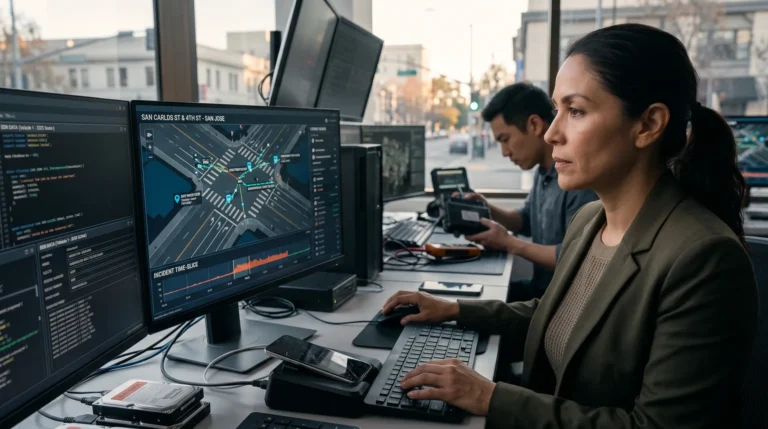
Distraction is rarely admitted and rarely obvious from the police report alone, so we build the proof piece by piece:
- Witness accounts of what the driver was doing in the seconds before impact
- Scene evidence showing late or no braking and no attempt to steer away
- Camera footage from nearby businesses, homes, and intersections
- Vehicle data showing speed and braking before the crash
- Phone and app activity records, requested through the legal process when the case calls for it
- The driver’s own statements at the scene and afterward
We handle the insurance claim from start to finish: preparing the documents, gathering the evidence, and negotiating settlement. If the insurer denies the claim or won’t pay fairly, we’re equally prepared to file suit and take on discovery, motions, and trial.
California Law: Distracted Driving Is Negligence
The four elements of your claim
You must show the other driver owed a duty to drive with reasonable care, breached it, that the breach directly caused the crash, and that you suffered losses as a result. Driving while distracted is a textbook breach.
No ticket required
A driver doesn’t need to be cited for phone use or anything else for you to prove they weren’t paying attention. The civil claim rests on the evidence, not on a citation.
Shared fault doesn't end your claim
Insurers often argue the victim could have avoided a distracted driver. Under California’s pure comparative negligence rule, any share of fault only reduces your recovery; it never bars it.
Act within two years
You generally have two years from the injury to file a lawsuit, and far less time before the evidence of distraction starts to disappear.
What Our Clients Say
Jimin and her staff tirelessly worked for my case and kept me updated constantly whenever something happened or when there was any development. She is very knowledgeable and I'm grateful…
Albert Veist
I would like to share a good experience that I had with Ms. Jimin’s office and hopefully it will help people save time, frustration, and stress. Jimin is just very…
Claudia R.
This was my first time to have a car accident, so I did not know what I had to do. My friends suggested I contact Jimin since they all had…
Kwon Soonhyung
San Jose Distracted Driving Accident FAQs
What counts as distracted driving?
Anything that takes a driver’s eyes, hands, or attention off the road: texting, talking, browsing, or posting on a phone, but also eating, interacting with passengers, adjusting the radio or navigation, and grooming. Each can breach a driver’s duty of care.
How can I prove the other driver was distracted?
Through witness statements, the police report, camera footage, scene evidence of late or no braking, vehicle data, and in some cases phone records obtained through the legal process. We gather these early, before they’re lost.
The other driver denies being distracted. Do I still have a case?
Yes. Most distracted drivers deny it. Your claim doesn’t depend on an admission or a ticket; it depends on evidence of how the crash happened, and a driver who never reacted to what was in front of them tells its own story.
What if the insurance company denies my claim?
Denials and lowball offers are common, because every paid claim is a loss for the insurer. A denial isn’t the end: the next step is filing a lawsuit, and we’re prepared to take it there.
Can I recover if I was partly at fault?
Yes. California reduces your compensation by your percentage of fault but doesn’t bar your claim. Don’t accept an insurer’s fault split before we’ve reviewed the evidence.
What compensation is available?
Medical bills, lost income, pain and suffering, and other losses depending on your situation, including future treatment and reduced earning capacity when injuries are lasting.
How long do I have to file?
Generally two years from the injury for a lawsuit, and only six months for a claim against a government entity. Evidence of distraction disappears much sooner, so call early.
Get Your Free, Confidential Case Review, 24/7
Witnesses forget what they saw, and camera footage gets recorded over. Call now or send the form; we respond fast, 24/7, in English, Spanish, or Korean. Your consultation is free and confidential. No fee unless we win.
Call (408) 256-2871Free Case Review
Solution Now Law Firm
1253 Park Ave
San Jose, CA 95126
Hablamos español · 한국어 상담 가능