San Jose Rear-End Accident Lawyer
Hit From Behind? Don't Let Them Call It a Fender-Bender.
Rear-end crashes are some of the most common collisions on San Jose roads, and insurers treat them as minor. The whiplash, back pain, and lost weeks of work that follow are not. We prove fault and the full extent of your injuries.
$75+ million
recovered for injured clients
800+ five-star reviews
on Google and Yelp
No fee
unless we win
Available 24/7
Hablamos español · 한국어 상담 가능
Rear-End Crashes Get Downplayed. Your Injuries Shouldn't Be.
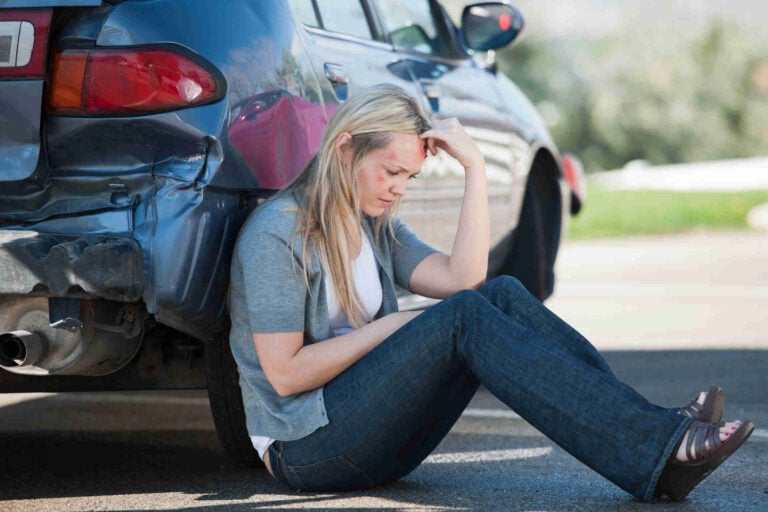
You were stopped at a light, or slowing for traffic, and the car behind you didn’t stop. Because many rear-end crashes happen at lower speeds, the other driver’s insurer may question whether you were hurt at all. That’s exactly why these claims need a lawyer: to prove both who caused the crash and how badly it hurt you.
In most rear-end collisions, the driver behind is to blame. Common reasons:
Looking at a phone instead of the road
Tailgating, leaving no room to stop
Speeding, or misjudging the distance needed to brake
Creeping or accelerating at a red light before it turns green
Coming up fast on stopped traffic on a highway
But the rear driver isn’t automatically at fault in a legal sense, and insurers know it. We gather the evidence to pin responsibility where it belongs.
What to Do After a Rear-End Collision in San Jose
Get to safety and call 911.
A police report records where each car stopped and what each driver said, which matters when the other driver later claims you “stopped short.”
Photograph both bumpers and the road.
The location and depth of the damage, skid marks, and the traffic signal all help show how the crash happened.
Check your brake lights, and photograph them working.
A rear driver’s insurer may blame a faulty brake light; proof they worked shuts that argument down.
Note the conditions.
Time of day, weather, visibility, and whether traffic ahead had suddenly slowed. Rear-end crashes are more common at night and in poor visibility.
See a doctor even if you feel fine.
Whiplash symptoms often don’t appear for hours or days, and early treatment can reduce their severity.
Don't accept a "minor impact" offer.
Low property damage doesn’t mean low injury. Talk to us before you respond.
What a Rear-End Injury Claim Can Include
Treatment for injuries that show up late
Whiplash and other soft tissue injuries, including shoulder and wrist sprains, may not be felt until days later. Your claim should cover every visit, therapy session, and prescription, now and in the future.
Serious-impact injuries
When the rear car hits at speed, the damage can include head and spinal cord injuries, facial injuries from striking the steering wheel or windshield, and seatbelt or airbag fractures of the collarbone or ribs.
Lost time at work
Rear-end injuries can keep you off the job for weeks or months. We pursue your lost wages and any lasting effect on your ability to earn.
Pain, suffering, and your vehicle
Compensation for the pain and disruption to your life, plus repair or replacement of your car.
How We Prove the Driver Behind You Is Responsible
Every driver has a legal obligation to keep a safe distance from the car ahead, far enough to stop without a collision. When they don’t, that failure is the heart of your claim.
We build the case from the first day:
- The police report and any citation issued at the scene
- Witness statements from other drivers and pedestrians
- Photos of the vehicles, the damage pattern, and the intersection or highway
- Traffic, business, and dash camera footage, requested before it’s overwritten
- Vehicle data showing speed and braking, where available
We also get ahead of the defenses rear drivers raise: that you stopped suddenly, cut them off, reversed, or had a broken brake light. If someone else, like a driver who cut into the lane, shares the blame, we pursue them too.
Who's at Fault in a Rear-End Crash Under California Law
Following drivers must leave room to stop
A driver who tailgates, or can’t stop in time for traffic ahead, is usually found negligent. Sudden slowdowns are part of driving; keeping a safe distance is the rear driver’s job.
The rear driver isn't automatically liable
The front driver may share fault if they stopped suddenly for no reason, cut in and braked, reversed, or drove with brake lights out. A pedestrian, cyclist, or another driver can also be responsible.
Shared fault doesn't cancel your claim
Under California’s pure comparative negligence rule, any share of fault assigned to you reduces your compensation; it doesn’t eliminate it.
Two years to file
You generally have two years from the date of injury to file a lawsuit, and just six months for a claim against a government vehicle.
What Our Clients Say
Jimin from the start was very professional and accommodating. She came out to east bay to meet with me. We met once, she ask for the background of the incident…
Ethan Vu
If I didn't have Jimin and her people I would have been left with broken bones penniless and without a job. Prior to getting into contact with her my insurance…
Davina Barriga
I met with lawyers at other law offices, but after talking to Jimin, I decided to go with her because she was not only smart, honest, but also super caring.…
Annie Y.
San Jose Rear-End Accident FAQs
Is the driver who hit me from behind always at fault?
Usually, but not always. Every driver must keep a safe following distance, so the rear driver is most often responsible. But the front driver can share fault, for example by stopping suddenly without reason, cutting in, reversing, or driving with broken brake lights.
The insurer says the impact was too minor to hurt me. What now?
Don’t accept that. Rear-end crashes often leave little visible damage and still cause real injuries, especially whiplash. Your medical records, starting with a prompt exam, are the answer to a “minor impact” argument.
How long does whiplash take to heal?
It varies. Whiplash often resolves within a few weeks, but it can take several months, and some people have lingering symptoms long after the crash. Symptoms may also get worse before they get better, so don’t settle early.
I was pushed into the car in front of me. Who pays?
In a chain-reaction crash, the driver who started it is usually responsible for the impacts that followed, but each driver’s share of fault is weighed. We sort out who hit whom, in what order, and pursue each responsible driver’s insurer.
What if my brake lights weren't working?
The other driver’s insurer may argue you share some fault. That can reduce your compensation under California’s comparative negligence rule, but it doesn’t bar your claim, and the rear driver still had a duty to keep a safe distance.
What if the driver who hit me has no insurance?
Your own uninsured motorist coverage may pay for your injuries. We review every policy that could apply before you assume there’s no path to recovery.
How long do I have to act?
Generally two years from the date of injury to file a lawsuit. Camera footage and witness memories fade much faster, so call early.
What does hiring you cost?
Nothing upfront, ever. We work on contingency; you pay a fee only if we recover for you.
Get Your Free, Confidential Case Review, 24/7
The insurer is already building its “minor impact” story. Let’s build yours. Call now or send the form; we respond fast, 24/7, in English, Spanish, or Korean. Your consultation is free and confidential. No fee unless we win.
Call (408) 256-2871Free Case Review
Solution Now Law Firm
1253 Park Ave
San Jose, CA 95126
Hablamos español · 한국어 상담 가능